
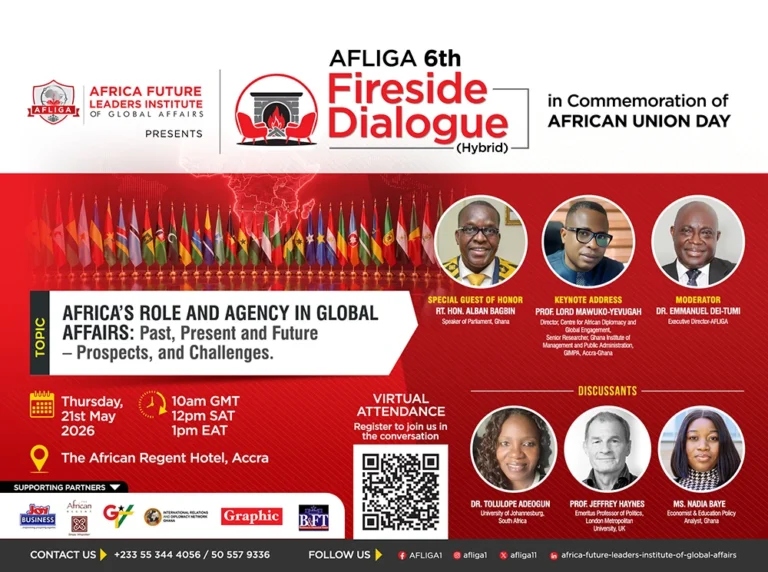
in Commemoration of AFRICAN UNION DAY
Topic
AFRICA’S ROLE AND AGENCY IN GLOBAL AFFAIRS: Past, Present and Future – Prospects, and Challenges.
Date:
Thursday,
21st May
2016
Time:
10am GMT
12pm SAT
1pm EAT
Venue:
The African Regent Hotel, Accra
Register below to join us in the conversation
Panel Discussants

Ms. Nadia Baye
Economist & Education Policy Analyst, Ghana
Ms. Nadia Baye
Nadia Baye holds a Master’s in International Development Policy from Georgetown University, and a Bachelor’s degree in Economics and French. She is interested in education reform and economic development as channels for growth in Sub-Saharan Africa. Her academic training has emphasized quantitative and data analysis skills essential for evidence-based policymaking.
Nadia has contributed to multilateral development work through roles at the African Union Mission to the United Nations, UN Women, and Public Democracy, gaining experience across Anglophone and Francophone contexts. Most recently, Nadia worked with Georgetown’s Initiative on Innovation, Development, and Evaluation (GUI2DE) and the What Works Hub for Global Education to evaluate teacher training effectiveness for Tanzania’s new curriculum implementation. This experience deepened her understanding of how education quality improvements can drive sustainable poverty reduction. She is committed to advancing education policies that strengthen human capital development and economic opportunity across Africa.

Prof. Jeffrey Haynes
Emeritus Professor of Politics, London Metropolitan University, UK.
Prof. Jeffrey Haynes
Jeffrey Haynes is Emeritus Professor of Politics at London Metropolitan University, UK, Co- Editor-in-Chief of the international peer-reviewed journal, Democratization, and Series Editor of a book series, Routledge Studies in Religion and Politics, which has published over 50 books. He received the International Studies Association Religion and International Relations Section’s Distinguished Scholar Award in 2016.
Haynes first visited Ghana in 1985, researching for a PhD, ‘Rawlings and the Politics of Development Policy in Ghana, 1979-86’. He successfully completed his PhD in 1988. His PhD is the basis of a recent research monograph, Revolution and Democracy in Ghana: The Politics of Jerry John Rawlings, published by Routledge UK in 2023. Haynes, a frequent visitor to Ghana for research purposes, writes a regular ‘Politics’ column for both Daily Graphic and Daily Statesman newspapers.
Jeffrey Haynes is the author or editor of more than 65 books. The most recent are: Christian Nationalism and Democracy in Ghana, Routledge, 2025; The Routledge Handbook of Politics and Religion in Contemporary USA, Routledge, 2025; The Routledge Handbook of Religion and Politics (3rd ed.), Abingdon & New York: Routledge, 2023.
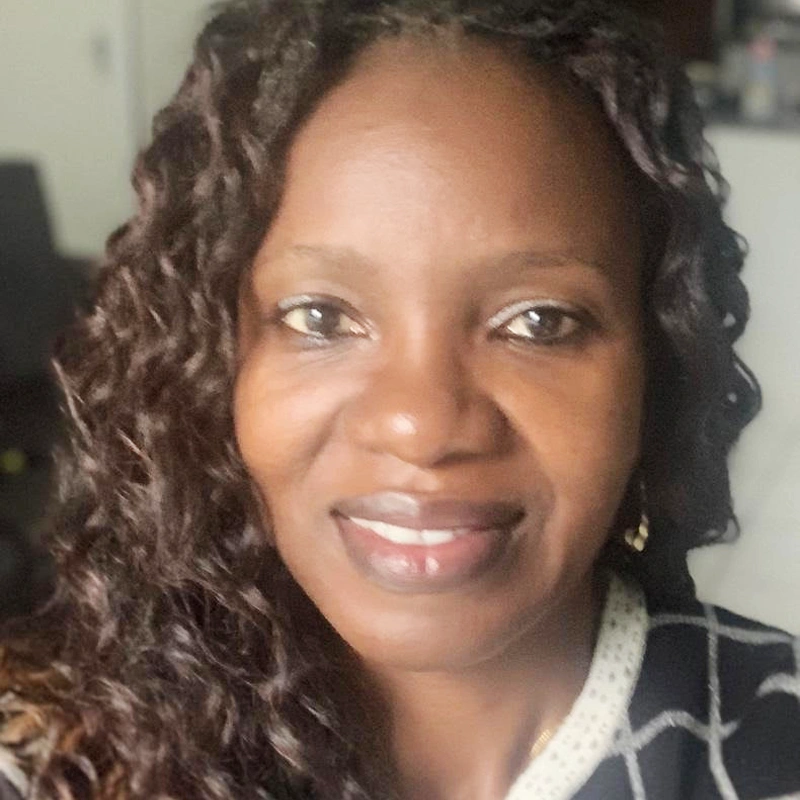
Dr. Tolulope Adeogun
South Africa
Dr. Tolulope Adeogun
Adeogun Tolulope (PhD) is an Assistant Professor of International Relations and politics. Currently, The Head of Teaching and Learning at the Centre for the Study of Race, Gender and Class, University of Johannesburg, South Africa. Adeogun is also a gender and peace building expert. She writes passionately on women, war, peace and security issues.
special Guest of Honor
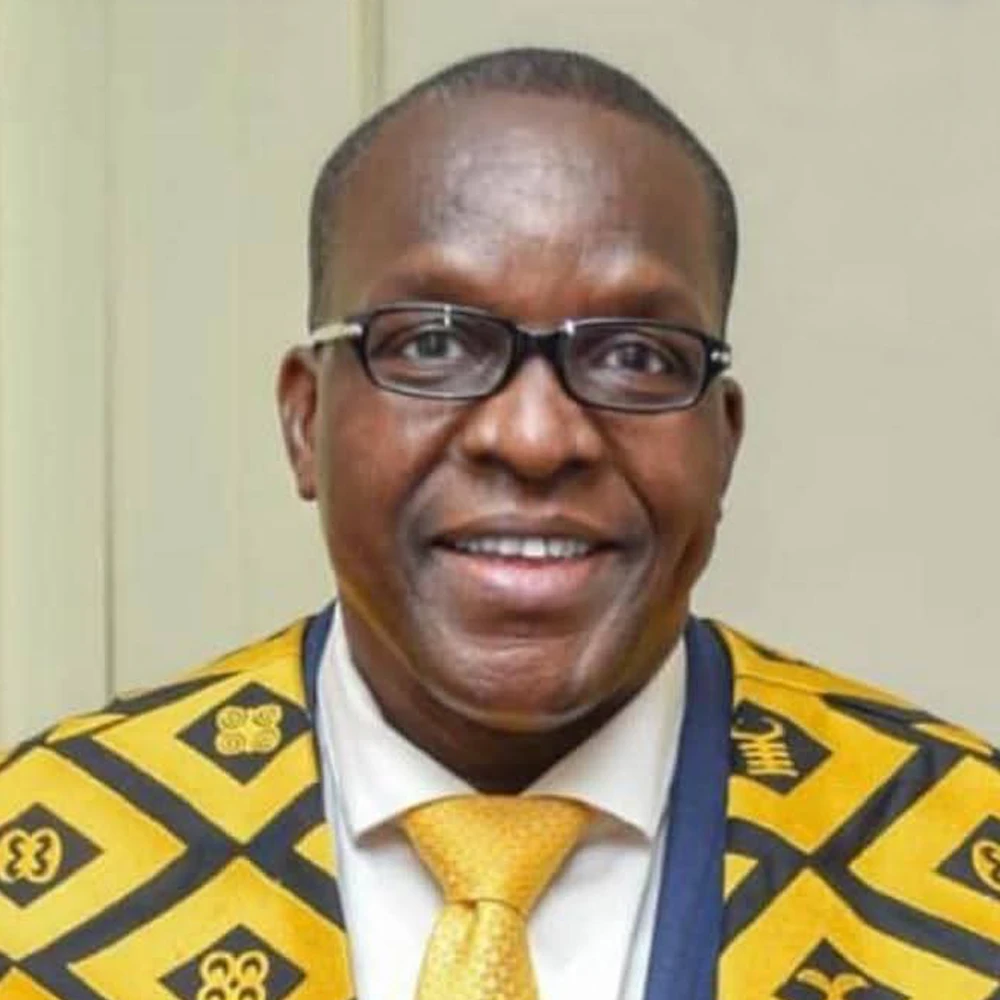
Rt. Hon. Alban Bagbin
Speaker of Parliament, Ghana
Rt. Hon. Alban Sumana Kingsford Bagbin
A. Speaker Of Ghana’s Parliament
- Rt. Hon. Alban Sumana Kingsford Bagbin is a teacher, a lawyer, a politician and a statesman.
- He was elected Speaker of the Eighth Parliament of the Fourth Republic of Ghana on 7th January 2021, thus becoming the first person ever in the history of the Parliament of Ghana to be elected to the high office of the Speaker of Parliament from a political party that is not in government nor control the majority of seats in Parliament.
- After serving a four-year term of office, he was, on 6th January 2025, unanimously re-elected as Speaker of the Ninth Parliament of the Fourth Republic.
B. Member Of Parliament
- Prior to assuming Speakership of Parliament, Rt Hon Bagbin entered Parliament on the ticket of the National Democratic Congress (NDC) in January 1992.
- He won all seven (7) subsequent Parliamentary elections until he voluntarily relinquished the seat before the 2020 elections in Ghana.
- Within this period, spanning some twenty-eight years, Rt. Hon. Bagbin served on various Parliamentary Committees and chaired several of them.
C. Leadership of Parliament
- He became the Opposition Leader in January 2001, a position he held for eight years until his political party, the National Democratic Congress (NDC), won the December 2008 General Elections in Ghana when he was made the Majority Leader/Leader of Government Business /Leader of the House.
- In 2014, he became the Majority Leader for the second time, Leader of Government Business and Leader of the House, and served in these capacities for the remaining term of the Sixth Parliament.
- He was elected the Second Deputy Speaker in January 2017 for the duration of the Seventh Parliament of the Fourth Republic.
D. Ministerial Positions Held
- Speaker Bagbin served as the Minister of Water Resources, Works and Housing and later, the Minister of Health between 2010 and 2013.
- Between 2012 and 2017, Speaker Bagbin was a founding Member of the group of Ministerial Leaders in Health, an initiative of the World Health Organisation and the Harvard University in Switzerland.
- He was also a Member of the Task Force responsible for the President’s Priority Projects from 2013 to 2017, usually referred to by Ghanaians as “the three wise-men”.
E. International Positions Held and Committee and Board Membership
- Member of IPU Task Force working toward a peaceful resolution of the ongoing Russia-Ukraine war (October 30, 2025 to date)
- Chairperson of the 52-member Africa Geopolitical Group of the IPU (2025 to date)
- President of the Conference of Speakers and Presidents of African Legislatures (CoSPAL) (2024 to date);
- President of the African Parliamentarians’ Network Against Corruption (APNAC) (2025 to date)
- Vice President, Commonwealth Parliamentary Association (CPA) – 2021 to August 2022
- President, Commonwealth Parliamentary Association (CPA) – 25th August 2022 to date
- Chairman, Parliamentary Service Board (PSB), Parliament of Ghana (2021 to date)
- Member, Parliamentary Service Board (PSB), in the third, fourth, fifth and sixth Parliaments of the Fourth Republic of Ghana
- Member, African, Caribbean, Pacific and European Union Joint Parliamentary Assembly (ACP-EU) situated at Strasbourg, Belgium between 2013 and 2015
- Member, International Council for Parliamentarians for Global Action (PGA) – 2003 to 2010
- Founding Member, Global Organisation of Parliamentarians Against Corruption (GOPAC) – 2002 to 2014;
- Member, Parliamentarians for Global Action (PGA) – 1994 to 2017
- Member, International Law and Human Rights Program of the PGA – 1994 to 2005
- Chairman, Board of Directors, Ghana Civil Aviation Authority (GCAA) – 2009 to 2010
- Chairman, National Advisory Committee on Reforms in the Water Sector in Ghana. 1996 to 2001
- President, Standing Committee on Democracy and Human Rights of the Inter- Parliamentary Union (IPU) – 2001 to 2009;
- Member, Commonwealth Parliamentary Association (CPA) – Legal Counsel in the reforms to transform CPA from its current status as a Charity Organisation under the laws of Britain into an International Inter-Parliamentary Diplomatic Organisation.
F. Private Law Practice
- 1982: Called to the Bar as Barrister and Solicitor of the Supreme Court of Ghana
- 1986 – 1993: Private Legal Practice as Senior Partner in the Akyem Chambers;
- 1994: Managing Partner, Law Trust
G. Education
- 2017: Doctor of Laws, honoris causa, “LLD”, University of Professional Studies (UPSA)
- Executive Masters in Governance and Leadership, Ghana Institute of Management and Public Administration (GIMPA)
- 1999: Postgraduate Certificate on Privatisation of Public Utilities; Eastern and Southern African Management Institute (ESAMI), Arusha
- 1982: Called to the Bar as Solicitor and Advocate of the Supreme Court of Ghana
- 1980: Bachelor of Arts degree in Law and English, University of Ghana, Legon
H. Awards
- EMY Africa Awards in Governance
- Millennium Excellence Awards as the best Member of Parliament
- Award as a Member of the International Executive Committee of the Commonwealth Parliamentary Association
- Formal recognition by the President of the International Criminal Court
- Formal recognition by the Parliamentarians for Global Action
Keynote address

Prof. Lord Mawuko-Yevugah
Director, Centre for African Diplomacy and Global Engagement, Senior Researcher, Ghana Institute of Management and Public Administration, GIMPA, Accra-Ghana.
Prof. Lord Mawuko-Yevugah
Lord Mawuko-Yevugah is currently an Associate Professor of international relations & comparative political economy of development at the Ghana Institute of Management and Public Administration (GIMPA), where he also coordinates the PhD program in Public Administration, Governance and Leadership.
A graduate of the University of Ghana with a first class honors degree in political science & linguistic, Lord Mawuko-Yevugah started his career as a political journalist, working with the Business and Financial Times as a parliamentary correspondent in early 2000s.
He studied for MPhil in Development Studies at University of Cambridge as a Commonwealth Scholar and holds a PhD in political science with a specialization in international relations from the University of Alberta in Canada. He has held various research fellowships including the Royal Netherlands Academy of Arts and Sciences Research Fellowship, Geneva Graduate Institute of International Relations and Development Global South Research Fellowship, and American Society for Public Administration (ASPA) Young Scholars Fellowship.
He is the Founder & Lead Researcher of the Pan-Africanist Centre for African Diplomacy and Global Engagement (Afro-global). He is also the Founder & Convener of the International Relations and Diplomacy Network Ghana (IRDNGhana), a vibrant community of scholars, practitioners, students and activists of international relations and diplomacy.
Apart from many published works, Lord Mawuko-Yevugah is the author of two notable and widely acclaimed texts: Reinventing Development: Aid Reform and Technologies of Governance in Ghana (Routledge, 2016); African Youth Cultures in a Globalized World: Challenges, Agency and Resistance (Ashgate, 2014).
In December 2025, he launched his groundbreaking book, “INDEPENDENCY: Political Independence and Economic Dependency”(University of Ghana Press), underscoring his critical and postcolonial theoretical fortitude.
Moderator

Dr. Emmanuel Dei-Tumi
Executive Director – AFLIGA
Dr. Emmanuel Dei-Tumi
Dr. Emmanuel Dei-Tumi is one of Africa’s most respected authors, strategic thinkers, leadership strategists, corporate trainers, and keynote speakers. He speaks frequently on contemporary management, strategic leadership, and creative entrepreneurship education. His work in leadership strategy focuses on the future of work and improving corporate teams and culture.
He is a certified coach who specializes in grooming emerging African entrepreneurial and corporate leaders.
Emmanuel is a true Pan-Africanist, currently in charge of the strategic direction of Human Capital International Africa, a leadership and contemporary management development business entity, as the President and Chief Copywriter.
He is the founder and chief strategist of the Channel ‘63 Network, which plays an advocacy role in how faith-based institutions in Africa can become enablers of SMEs and active players in the African Continental Free Trade Area (AfCFTA) and the Africa Agenda 2063—The Africa We Want.
He is the author of 14 bestselling entrepreneurship-related and personal leadership development books, including In Pursuit of Purpose, Strategic Positioning, Tales of Great Achievers, The Miracle of the Mind, and How to Increase Your Income as an Employee.
Education
Emmanuel holds a doctoral degree in Business Administration from Swiss Business School, Switzerland.
He has two master’s degrees: one in applied business research from Swiss Business School, Switzerland, and another in governance and leadership from the Ghana Institute of Management and Public Administration (GIMPA).
He also holds a certificate in contemporary management from Noble International Business School, Ghana.
He has been married to Dora for over three decades, and they are blessed with three hardworking professionals: Dr. Sharon (Medical Doctor), Kelvina-Dorcas (Risk Analyst), and Emmanuel Jnr. (Esq.).
Register to join us in the conversation
SUPPORTING PARTNERS





1. BACKGROUND & RATIONALE
Africa’s position in international relations has been profoundly shaped by historical processes rooted in external domination, including the transatlantic slave trade, colonial rule, and integration into unequal global systems (Ngofa, 2025). These experiences entrenched structural inequalities and constrained the continent’s influence within global governance, often resulting in marginal participation rather than strategic agency (Taylor & Zajontz, 2020; Nigusie & Ali, 2020).
In response, post-independence efforts toward continental unity led to the formation of the Organisation of African Unity (OAU) and its successor, the African Union (AU), reflecting a collective ambition to reposition Africa as a more active global actor (Abegunrin, 2009; Maluwa, 2007). Despite these efforts, Africa’s representation and influence in key global institutions remain limited (Taylor, 2016).
However, recent developments signal a shift. Initiatives such as the African Continental Free Trade Area (AfCFTA) and renewed emphasis on self-determined development strategies highlight Africa’s evolving agency and growing participation in global affairs (UNECA, 2021; Zondi, 2020). Yet, internal challenges, including governance deficits, political fragmentation, and external dependencies, continue to constrain progress (Abdullahi & Maigari, 2024). Crucially, these dynamics intersect with Africa’s demographic realities, particularly the central role of women and youth in advancing governance, economic transformation, and peace and security.
With one of the youngest populations globally, there is increasing recognition of the need to integrate youth leadership and promote gender equality as foundations for inclusive development and sustainable peace.
These priorities align with key global and continental frameworks, including Sustainable Development Goals (SDGs) 4 (Quality Education), 5 (Gender Equality), 8 (Decent Work and Economic Growth), and 16 (Peace, Justice and Strong Institutions), as well as Agenda 2063 aspirations on inclusive growth, people-driven development, and a peaceful and secure Africa.
Against this backdrop, there is a compelling need to critically examine Africa’s role and agency across its past, present, and future trajectories. In commemoration of African Union Day, the 6th AFLIGA’s Fireside Dialogue provides a strategic platform to convene scholars, practitioners, policymakers, diplomats and emerging leaders to explore pathways for strengthening Africa’s voice and influence in global affairs.
The Dialogue will intentionally foreground discussions on inclusive governance, youth empowerment, women’s leadership, entrepreneurship development, and community-driven peacebuilding as key pillars for enhancing Africa’s global agency.
2. About the AFLIGA Fireside Dialogue
The AFLIGA Fireside Dialogue is an interactive and conversational series hosted quarterly by the Africa Future Leaders Institute of Global Affairs (AFLIGA) from its studios – the Vision 2050 hub in Accra, Ghana. The dialogue is designed to foster well informed intellectually stimulating discourses on critical issues of African affairs, including democratic governance, public policy, security, gender and development, and leadership.
The Fireside Dialogues create an intimate and reflective space for candid, intergenerational conversations. They enable emerging leaders and young people to engage directly with seasoned practitioners, diplomats, and scholars, promoting mentorship, knowledge exchange, and shared learning.
Beyond dialogue, the platform serves as a strategic engagement mechanism to amplify youth and women’s voices in governance processes, promote entrepreneurial thinking as a tool for economic empowerment, and foster conversations on peace, security, and institutional strengthening across the continent.
Through this approach, the Fireside Dialogue helps build a new generation of African leaders equipped with the knowledge, networks, and skills needed to drive inclusive governance, sustainable economic growth, and conflict-sensitive development in line with continental and global development priorities.
3. Aim and Objectives
Overall Aim of the Dialogue
To examine Africa’s evolving role and agency in Global Affairs and identify strategies for enhancing its influence in global governance. The Dialogue focuses on inclusive governance, youth empowerment, women’s leadership, entrepreneurship development, and peacebuilding as key approaches for strengthening Africa’s global agency.
Specific Objectives of the 6th Dialogue
Historical Reflection
To analyse the historical foundations of Africa’s position in international relations, including the impact of colonialism and post-colonial dynamics.Contemporary Assessment
To evaluate Africa’s current collective role, contributions, and limitations within International political, economic, and diplomatic systems.Future Prospects
To explore emerging opportunities and strategies for enhancing Africa’s role and agency in a rapidly shifting global order.
- Intergenerational Engagement
To facilitate dialogue between experienced scholars, practitioners and young leaders on Africa’s global future.
- Intergenerational Engagement
Policy and Strategic Insight
To generate practical policy briefs and recommendations for policymakers, scholars, and institutions.Youth and Women Empowerment
To examine the role of youth and women as drivers of governance reforms, economic transformation, and sustainable peace in Africa.Entrepreneurship and Economic Development
To explore how entrepreneurship and innovation can strengthen Africa’s economic resilience and global competitiveness, particularly among young people.Peace, Security and Governance
To interrogate the linkages between governance systems, security, peacebuilding efforts, and Africa’s ability to assert itself effectively in global affairs.
4. Theme Justification
The theme, “Africa’s Role and Agency in Global Affairs: Past, Present and Future – Prospects and Challenges,” is both timely and strategic. It aligns with the aspirations of the African Union’s Agenda 2063, which envisions “an Africa whose development is people-driven, relying on the potential of its people” (African Union Commission, 2015).
More specifically, it reflects key priorities under Agenda 2063, including Aspiration 1 (inclusive growth and sustainable development), Aspiration 4 (a peaceful and secure Africa), and Aspiration 6 (people-driven development anchored on women and youth).
As global power dynamics shift, Africa must move from reactive engagement to more proactive and strategic participation in international affairs.
This requires deliberate investments in education and skills (SDG 4), gender equality and women’s leadership (SDG 5), decent work and entrepreneurship (SDG 8), and strong, accountable institutions (SDG 16).
By linking Africa’s global agency to these priorities, the Dialogue positions governance, youth empowerment, women’s participation, and entrepreneurship as strategic levers for influence in global affairs.
5. Event Format
The Fireside Dialogue will begin with a presentation by an accomplished scholar/expert on International/African affairs, who will deliver a well-researched keynote paper on the topic’s frameworks and broader aspects. The keynote presentation will be followed by a discussion session (discussants) from two leading experts on African affairs. This will be followed by an interactive session with participants.
6. Target Audience
The Dialogue will engage a diverse audience, including:
- Policymakers and diplomats
- Academics and researchers in the fields of international relations and global security.
- Civil society organisations
- Postgraduate students from any field of academic discipline, especially from the social sciences and humanities.
- Youth leaders and community groups
- Media and development practitioners
- Women-led organisations and gender advocacy groups
- Entrepreneurs, start-up founders, and innovation hubs, particularly those led by young people
- Peacebuilding practitioners, governance experts, and institutions working at the intersection of security, justice, and development
7. Expected Outcomes
- Knowledge and Awareness
- Enhanced understanding of Africa’s historical and contemporary role in international relations.
- Increased awareness of the structural and systemic challenges affecting African agency.
- Improved understanding of the interconnections between governance, gender equality, youth empowerment, entrepreneurship, and peacebuilding in shaping Africa’s globalinfluence.
Dialogue and Engagement
- Strengthened intergenerational dialogue on Africa’s global positioning.
- Greater youth enlightenment and engagement in discussions on international affairs.
- Enhanced participation of women and youth in policy-relevant conversations on governance, economic development, and peace and security.
Policy and Strategic Insight
- Development of actionable recommendations for strengthening Africa’s role and agency Global Affairs.
- Contribution to ongoing discourse on reforming global governance structures.
- Generation of policy-relevant insights that promote inclusive governance systems, support youth-led entrepreneurship, advance women’s leadership, and strengthen peace and security frameworks across the continent.
Institutional Impact
- Strengthening AFLIGA’s role as an institute for strategic policy dialogue and human capital incubation.
- Informing future editions of the Fireside Dialogue series.
- Positioning AFLIGA as a convening platform for advancing conversations and partnerships around inclusive development priorities aligned with SDGs and Agenda 2063 aspirations.
Capacity and Network Development
- Strengthened networks among policymakers, young leaders, women leaders, entrepreneurs, and peacebuilding actors across the continent.
- Increased capacity of participants to engage in governance processes, entrepreneurial initiatives, and community-level peacebuilding efforts.