
"Ethical Leaders.
-
Real Change.
-
Real Change.
African Solutions."
- Real Change.
- Real Change.
THE EXECUTIVE FACILITATORS MANAGEMENT COUNCIL
The Executive Facilitators Management Council (EFMC) is the primary governance body responsible for programmes development and facilitation of the African Leadership Institute of Global Affairs (AFLIGA). It is also responsible for overseeing programme initiatives, ensuring quality standards, and guiding facilitators and programme content development in alignment with AFLIGA’s Pan African mission of fostering transformative, servant and ethical leadership in Africa.
2. Purpose and Mandate
The Executive Facilitators Management Council (EFMC) is established as the primary body responsible for the governance and oversight of AFLIGA’s programmes facilitation and leadership development framework. Its purpose is to uphold the highest standards of training and development while fostering innovation and excellence in its practices.
The EFMC provides strategic direction and ensures that AFLIGA’s programmes align with its mission to nurture servant, ethical and transformative leaders for Africa and beyond.
To fulfil its mandate, the EFMC shall:
- Ensure Programme Excellence: Develop and maintain the quality, relevance, and integrity of all intellectual programmes, leadership development initiatives, and executive training sessions. It shall set programmes development benchmarks and continuously evaluate curriculum effectiveness to meet evolving global and Pan-African leadership needs.
- Oversee Facilitator Recruitment, Development, and Performance: Establish policies and procedures for recruitment and appointment, ensuring that AFLIGA attracts and retains highly qualified educators, coaches and facilitators. The EFMC shall also oversee continuous professional development opportunities for facilitators to enhance their pedagogical skills and subject expertise.
- Formulate and Regulate Teaching, Learning, Assessment, and Research Policies: Develop and implement frameworks governing teaching methodologies, learning assessments, and research activities to ensure consistency, transparency, and intellectual rigour. It shall promote innovative and contextually relevant teaching and training strategies that align with AFLIGA’s leadership training goals.
- Foster Innovation in Leadership Training and Development: Promote and integrate cutting-edge leadership theories, case studies, and experiential learning approaches into AFLIGA’s training modules. The EFMC shall facilitate collaborations with industry experts, global thought leaders, and academic institutions to enhance AFLIGA’s leadership development ecosystem.
- Support Stakeholder Engagement and Partnerships: Strengthen AFLIGA’s relationships with key stakeholders, including governmental agencies, private sector partners, international organisations, and alums networks. The EFMC shall be pivotal in forging strategic alliances that enhance AFLIGA’s impact and resource mobilisation efforts.
The EFMC shall ensures that AFLIGA remains a beacon of excellence in servant, ethical and transformative leadership education, fostering a dynamic and forward-thinking learning environment through these core functions.

Prof. Felix Kumah-Abiwu
Co-Chairperson
Prof. Felix Kumah-Abiwu
Professor Felix Kumah-Abiwu is an Associate Professor of African Affairs in the Department of Africana Studies at Kent State University in the United States of America. He is the Founding Director of the Center for African Studies at Kent State University and also serves as a Non-Resident Fellow of Governance and Democracy at Nkafu Policy Institute in Yaoundé, Cameroon. He received his Ph.D. in Political Science from West Virginia University, USA, an M.A. from Ohio University, and a B.A. in Political Science from the University of Ghana, Legon.
He also studied at the Legon Centre for International Affairs and Diplomacy (LECIAD) at the University of Ghana. His research focuses on Africa’s political systems and leadership, elections and democratic governance, foreign policy analysis, Africa’s role in international affairs, security and development, African-centered theories, and Africa-African diaspora relations. Professor Kumah-Abiwu has presented his research papers at national (USA) and international conferences.
In 2015 and 2017, he presented his research papers at the Nordic Africa Institute in Uppsala, Sweden. He participated and presented papers at international conferences in Hamilton, Bermuda (2016), Dublin, Ireland (2018), Vienna, Austria (2019), Mauritius (2019), and Dunedin, New Zealand (2019), and many others. In addition to his published books, book reviews, encyclopedia entries, policy papers, newspaper articles, and several book chapters, his articles have also appeared in reputable scholarly journals such as the Commonwealth Journal of International Affairs, Journal of Pan African Studies, International Journal of Public Administration, Urban Education, Commonwealth & Comparative Politics, and African Security Review, among others. Professor Kumah-Abiwu is also the co-editor of these scholarly books: Restorative Justice and Practice in US Education (2024), Emancipatory Change in U.S. Higher Education (2023), The Political Impact of African Military Leaders (2023), and Jerry John Rawlings: Leadership and Legacy (2022).

Prof. Philip Duku Osei
Co-Chairperson
Prof. Philip Duku Osei
Professor Philip Duku Osei is a self-motivated Research Professor, strategic project manager and senior consultant, who has built the capacities of Public Service Institutions and Public Universities, establishing the foundations of one new public university in Ghana, as well as set up distinctive programmes in other universities where he worked previously. Thus, as Foundation Vice Chancellor (2020-2024), he helped establish new governance institutions at the SD Dombo University of Business & Integrated Development Studies (a.k.a., UBIDS) in Ghana; established the UBIDS Law School with accredited programmes within two and a half (2.5) years, the Faculty of Information Communications Technology and the Faculty of Public Policy & Governance at UBIDS.
As a great team player, he worked with the UBIDS Business School to establish the biggest Weekend MBA programme, recruiting over four-hundred and twenty students, from both north and south of Ghana. He established and grew a successful programme in International Relations and Diplomacy at the Ghana Institute of Management and Public Administration (GIMPA), while he was Foundation Dean of the School of Public Service & Governance at GIMPA.
Similarly, while he was Deputy Rector of GIMPA he engendered growth of revenue and staff development, and set up the first PhD programme at GIMPA in 2014. He advised governments and international development organisations in the Caribbean and Africa. He helped to write Ghana’s National Public Sector Reform Strategy 2018-2023, and the National Monitoring and Evaluation Policy.
Professor Osei earned his PhD in Government from the University of Strathclyde in Scotland, obtained his MA (Econ.) Development Administration and Management from the University of Manchester in England, United Kingdom, and his BA (Hons) from the University of Ghana. He was Commonwealth Academic Fellow in 2005, which he spent at the University of Birmingham in the United Kingdom.

PROF. Ruby Magosvongwe
Member
Prof. Ruby Magosvongwe
Prof. Ruby Magosvongwe, an Associate Professor from the University of Zimbabwe’s Department of English, Faculty of Arts, holds a DPhil that she obtained from the University of Cape Town, Faculty of Humanities, in June 2014. She is the current Board Chairperson of the Zimbabwe Media Commission, one of the five Chapter Twelve Independent Commissions mandated to entrench the rule of law, human rights, constitutionalism, transparency, and accountability in governance (according to the Zimbabwe Constitution Amendment Act (No 20) of 2013). Before joining the Zimbabwe Media Commission as a fulltime Chairperson, Prof Magosvongwe chaired the Department of English, Faculty of Arts, University of Zimbabwe between April 2015 and October 2020, during which period she was instrumental in establishing the Bachelor of Arts Honours in Journalism and Media Studies (BAHJMS) undergraduate degree programme. In addition to being the Departmental Chair, Ruby also served the University of Zimbabwe as the Acting Director of Information and Public Relations in the Vice Chancellor’s Office between September 2007 and May 2010 before commencing her DPhil studies with the University of Cape Town on a USHEPiA Fellowship.
Ruby Magosvongwe joined the Department of English as a Temporary Full-Time Lecturer in September 2001 before getting tenured permanently in June 2004. Before then she had been a high school teacher for sixteen (16) years, also serving as a hostel superintendent and a head of department for eleven (11) years respectively during her tenure. She is also the current Chair of the National Languages Advisory Committee appointed by the Minister of Youth, Sports, Art and Recreation in May 2022 for a five-year term. Ruby is about to complete an undergraduate Bachelor of Law Degree programme with the University of South Africa (UNISA).
Ruby is a published academic with four co-edited academic books that she helped to compile:
Africa’s Intangible Heritage and Land: Emerging Perspectives (2016), Harare: University of Zimbabwe Publishers;
Dialoguing Land and Indigenisation in Zimbabwe and Other Developing Countries: Emerging perspectives (2015), Harare: University of Zimbabwe Publishers;
Re-discoursing Africana Womanism (2012); Harare: College Press.
African Womanhood in Zimbabwean Literature: New Critical Perspectives on Women’s Literature in African Languages (2006). Harare: College Press.
She has published several peer-reviewed book chapters, and peer-reviewed journal articles, in addition to being a literary critic who has participated in the Zimbabwe National Arts Merit Awards before, during, and after her tenure as a member of the National Arts Council Board between 2015 and 2019. She holds a Master of Arts in English Degree (June 2000), a Bachelor of Arts English Special Honours Degree (March 1998), a Bachelor of Arts General Degree (November 1985), and a Graduate Certificate in Education (November 1987), all from the University of Zimbabwe.
Ruby, a former member of Zimbabwe Women Writers, Harare Chapter, and current Chair of the Zimbabwe International Book Fare Association, is also a published writer of short stories in Hunting in Foreign lands and other stories; Light a candle; Totanga Patsva; Masimba, and poems in Ghetto diary and other poems; Ngatisimukei: Nhapitapi yenhorimbo. She co-authored The Offshoot, a novella.

Rev. Dr. Emmanuel Appiah Aning Jnr.
Member
Rev. Dr. Emmanuel Appiah Aning Jnr.
Rev. Dr. Emmanuel Appiah Aning Jnr. Is an experienced man in the shipping, distribution, transport and logistics supply chain management with over twenty three (23) years practicing experience in the industry. He has handled private, government and multinational projects. As part of his achievement, Emmanuel managed the logistics and transportation of all the equipment used in the construction of the second phase of the Takoradi Thermal project as the transport and logistics manager of ANTRAK SHIPPING when the same won the bid. He exhibited an outstanding leadership during the project, culminating a huge reduction of the cost of the project comparative to the first phase. During his days in ANTRAK, he brought to bare timely deliveries to the mining sites of Obuasi, Tarkwa ,Bibiani, Mali and Burkina Faso mining companies with all their logistics needs including specialize cargo and dangerous cargo for the extraction of gold product. Which resulted in maintaining the contract year on year.
Emmanuel, has a mechanical engineering training From kumasi technical university. He is also charted member of city and guilds London, a professional body and currently a fellow of Institute of Projects management of Ghana.
Rev Dr Aning is also a trained minister of the gospel with a doctorate degree in Theology. With extra trainings in the USA AND CANADA. And has attended international training and serminars with GENERAL ELECTRICS (GE) on several times to lead an introduction of a new water system management it intended to bring to the African market, hence his experience in production of water. In the year 2011 to 2012 he lead several delegation, including government officials on international site visit in engineering in the USA and CANADA. He has also help several leadership positions From student leadership to company. Between 2006-2009 he was a special aid to the Ghana ambassador to Liberia at the Ghana embassy and chaired the Ghana@50 committee in Liberia where he received several award from Ghana and Liberia governments.
He also established WE-HAUL LIBERIA LTD where he served as a chief executive officer, and later return to Ghana as a managing director of AFCRG( an African Caribbean resource group ) a multinational company based in Ghana and the USA before joining MOVELLE.
He was the immediate past managing director of MOVELLE Realty and logistics. And a Board Chairman and director of Sephem Oil Ghana limited.
Also a Board chair for Crystal Foundation Ghana, an NGO for social medical intervention emergencies in hospitals. A concept he developed himself with the support of Crystal Medical Hospital.
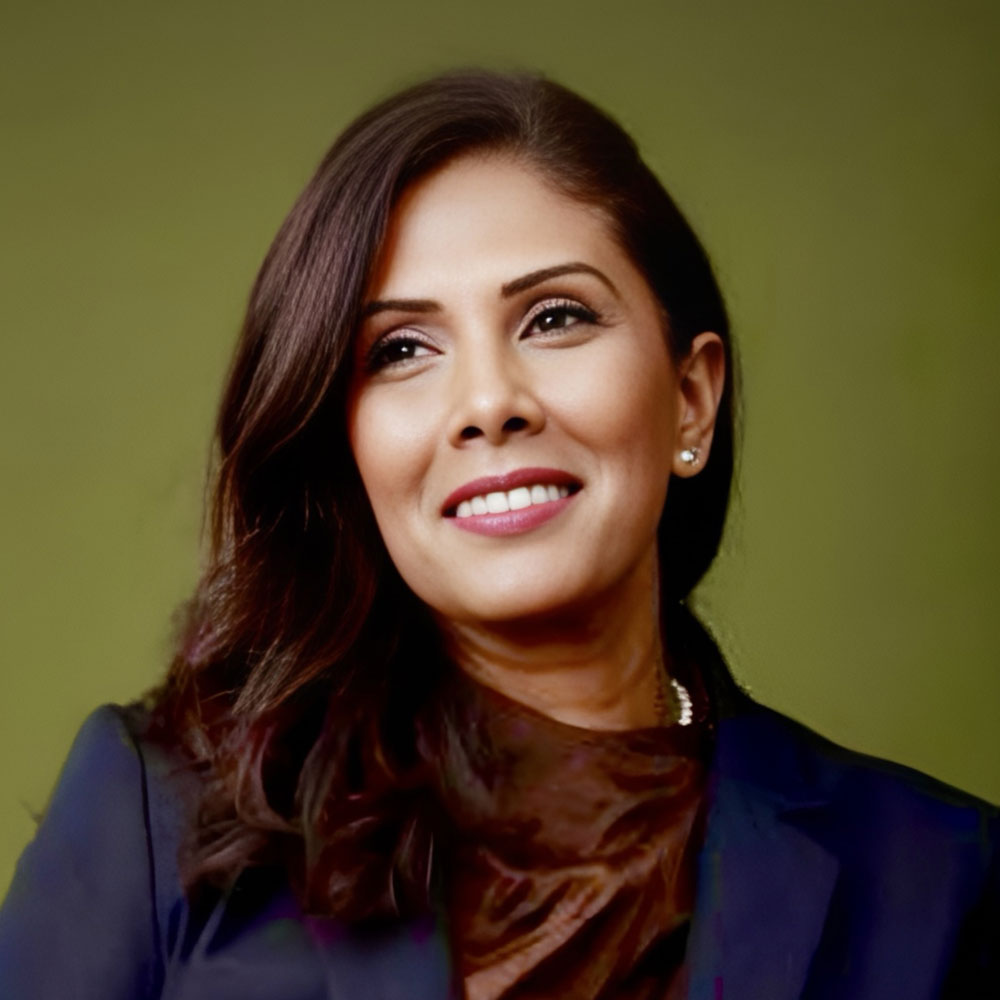
TAKOORDYAL, CALEYVARNY (KEVINA)
Member
Kevina Takoordyal
Kevina Takoordyal holds a BA Hons Business Management from the University of Glamorgan, UK, and an MBA in Leadership and Innovation. She is PMP certified and an Agile Scrum Master. With over 20 years of leadership in Operations, Business Development, People Management, Process Optimisation, and Project Management in Financial Services, BPO, Banking, and Healthcare, she has extensive experience in European and pan-African markets.
Kevina has driven transformative initiatives across 46 African countries, focusing on market expansion, product innovation, and operational excellence. Her strategic leadership has resulted in significant revenue growth and enhanced customer engagement. In addition to serving on a few boards, she participates in panel discussions on Innovation, CX, and Digital Transformation.
A strong believer in Servant Leadership, Kevina has received several accolades, including the Super Achiever Leader Award in Africa in 2016 and Africa Women Leader in 2018. She also serves as Project Assessor for the National Youth upskilling program and has been recognised as Global Talent in a few companies whereby she has been awarded a few scholarships and had the opportunity to be mentored by Senior Vice President in the US. Kevina volunteers for NGOs and serves as a coach and mentor to female leaders across Africa and Mauritius.

Dr. Kweku Adams
Member
Dr. Kweku Adams
Dr. Kweku Adams is an Associate Professor in International Business & Management and the Programme Leader for the MSc International Business and Management at the Bradford School of Management. He is a Senior Fellow of the Higher Education Academy and holds an MBA (Finance) from the University of Bedfordshire, a Master of Laws (LLM) from the University of York, and a PhD in International Business Management from Swansea University, among others. Dr Adams has held academic positions in North America, serving as a Lecturer in Strategy and Global Management at the Haskayne School of Business, University of Calgary, and a Visiting Lecturer of Management at the University of Lethbridge School of Management in Calgary, Canada. He has also been a Visiting Professor of Management at the University of Education Kumasi, Ghana.
His research interests focus on international business and business strategy, particularly the management of headquarters-subsidiary relations and the broader environmental, social governance (ESG), and human rights challenges facing multinational corporations. His work has been published in leading academic outlets, including Tourism Management, Journal of International Management, International Journal of Management Reviews, Journal of Business Research, Technovation, Technological Forecasting and Social Change, IEEE Transactions on Engineering Management, Journal of Environmental Management, Critical Perspectives on International Business, Thunderbird International Business Review, Resources Policy, Employee Relations, and Strategic Change, among others. His research has also been presented at numerous academic and practitioner conferences globally.
Dr Adams has successfully supervised several undergraduate, postgraduate, and PhD students across Ghana, the UK, and Canada and has examined PhD theses in the UK, Canada, Ghana, and Pakistan. He currently serves as an external examiner at Brunel University and Northumbria University.
In addition to his academic roles, Dr Adams serves on various committees, including Health and Safety, External Examiners and External Experts Sub-Committees, and Equality, Diversity & Inclusion (EDI) Committees at the University of Bradford. He has consulted for banks, building and construction firms, and multijurisdictional tax advisory services in the UK, Canada, and Ghana.
Dr Adams holds Associate Editor roles with the Business Strategy & Development Journal and the Journal of Enterprising Communities. He also serves on the *Editorial Boards of the Thunderbird International Business Review and the Africa Journal of Management (AJG 2* Journals).
He is the President of the Ghana Scholarly Society Worldwide (www.ghscholars.com), a learned society dedicated to solving Africa’s pressing challenges through academic and professional collaborations.

AMBASSADOR NOVISI AKU ABAIDOO
Member
Ambassador Novisi Abaidoo
Ambassador Novisi Abaidoo is an accomplished career diplomat with thirty-two years of diligent service in the Ghana Foreign Service. She has an enviable and proven track record of excellence, dedication, hard work, rare negotiation skills, and adept at handling diplomatic, strategic, operational, administrative and oversight aspects of any assignment requiring exceptional impactful results and excellence.
She brings to the role of a member of the Executive Facilitators Management Council (EFMC) of the Africa Future Leaders Institute of Global Affairs (AFLIGA), decades of diplomatic, higher education and training arenas, the latter becoming one of her current principal fields of operation, following her retirement from her illustrious diplomatic career.
Ambassador Abaidoo also joins AFLIGA, after a distinguished foreign service career at the national, regional and international levels, as a foreign service officer of Ghana’s Ministry of Foreign Affairs and Regional Integration. Ambassador Abaidoo’s meritorious diplomatic career from 1987 to 2019, included duty tours in France, Belgium and the Republic of Benin, culminating in her appointment as Ambassador Extraordinary and Plenipotentiary of Ghana to Benin from 2014 to 2015 and later, Ambassador Extraordinary and Plenipotentiary of Ghana to Belgium, Luxembourg, and the EU, from 2016 to 2018.
As a career diplomat in the Ghana Foreign Service spanning over three decades, Ambassador Abaidoo also headed some of the key directorates at the Ministry of Foreign Affairs in Ghana, including the Multilateral Relations Bureau. She played a pivotal role in policy formulation, providing excellent policy briefs to guide Ghana‘s inputs into her participation at the UN and in other intergovernmental as well as international organisations, of which Ghana was a member, and chairing and sitting on sensitive intergovernmental committees in the promotion of Ghana’s relations and interests in the Comity of nations. This included the country’s participation in the work of the United Nations and its agencies , the European Union, the Commonwealth, La Francophonie , the Non-Aligned Movement, African Caribbean and Pacific Group of Countries (ACP) and other international organisations.
Her legacy and impact as Ambassador in the work of the African Caribbean and Pacific Group of Countries (ACP) during her duty tour with the EU /ACP, is recognized in her successful organisation of the first historic consultations on Cashew with Ambassadors of Cashew producing countries /friends of Cashew at the Ghana Embassy in Brussels and chairing the first ever Committee of Ambassadors meeting of Cashew- producing countries in tandem with her actively driving negotiations for the then Post -Cotonou Partnership Agreement between the ACP Countries and the EU.
After retiring from the Ghana’s Foreign Service, Ambassador Novisi Abaidoo has served on boards, been affiliated to several organizations and institutions where she remains an ardent driving force for socio-economic change, leveraging diplomacy to bridge gaps and empower future global leaders. She is an active advocate on such matters through participation in leadership and diplomatic training programmes, conference speeches, corporate workshops and mentoring activities, where she inspires and equips individuals to become catalysts for positive change.
Ambassador Abaidoo holds a Bachelor of Arts (Honours) degree and a Diploma in Education from the University of Cape Coast, Ghana and a Master of Arts degree in International Affairs, from the Legon Centre for International Affairs and Diplomacy (LECIAD), University of Ghana, Legon, Ghana. She is fluent in English, French, and a number of Ghanaian languages.
Ambassador Novisi Abaidoo is married and blessed with three adult children

Mr. Daniel Ofosu
Member
Mr. Daniel Ofosu
Mr. Daniel Ofosu is an accomplished investment banker and entrepreneur with over fifteen years of experience in corporate finance, business development and portfolio management. Daniel is currently the founder and CEO of Whitestone Capital Partners, a boutique investment firm based in Pennsylvania, USA. Whitestone currently manages an investment portfolio that includes companies in fintech, health care and energy services.
Daniel began his career at Fidelity Bank Ghana where he served in various leadership positions in corporate finance, asset management and institutional fund management before securing a move to JP Morgan Chase in New York and later Chase Bank in Wilmington, Delaware where he worked in the investment banking division where he rose to become an AVP in risk management.
Daniel graduated from Harvard University with a master’s degree in public administration and a concentration in energy and geopolitics. He also holds a certificate in management and decision sciences from Harvard University, an MBA from Drexel University, and a bachelor’s degree in Finance from the University of Ghana.

Annie Banda
Member
Annie-Banda
Annie is a versatile Consultant and she has been delivering her consulting services under CLM Consultancy, which she established in 2014. She has over 10 years’ experience as a Leadership and Management Consultant. Annie has been a Researcher and a Training Facilitator for over 20 years. Annie has vast experience working with non-profit organizations, Public Service and the Private Sector.
Annie is passionate about youth and women leadership and mindset change. In 2024, she founded and registered an organization in Malawi known as Ultimate Leadership and Integral Mindset Change Institute. This organization gives special attention to Youth and Women Leadership.
Annie is currently pursuing a Doctorate Degree in Business Administration. She holds a Masters Degree in Executive Business Administration and a Bachelor Degree in Education.

MICHAEL ARMAH, Ph.D.
Member
Michael Armah, Ph.D.
Dr. Michael Armah is a higher education administrator, transformational leadership advocate, and ordained cleric with a distinguished record in institutional development, policy formulation, and global educational engagement. He currently serves as the Registrar of Pentecost University, Ghana, where he plays a pivotal role in driving strategic growth, administrative excellence, and digital innovation.
Dr. Armah has previously served as Registrar at two leading private universities in Ghana, where he successfully led strategic reforms in academic governance, institutional accreditation, and digital transformation. His leadership has consistently bridged policy and practice to promote inclusive, tech-driven, and values-based education.
He holds a Ph.D. in ICT Education with a specialization in Cybersecurity under the World Bank-funded ACEITSE project at Lagos State University, Nigeria. His doctoral research explores the integration of indigenous knowledge systems to improve STEM education outcomes — a clear reflection of his commitment to contextualized African solutions in education and leadership development.
A practitioner-scholar, Dr. Armah has presented at esteemed international conferences including the National Association for Research in Science Teaching (NARST) and the Rio Grande Valley STEM Education Conference (USA). He has co-authored peer-reviewed journal articles and co-developed the Afrocyberlibrary App, an innovative learning tool that contextualizes cybersecurity for African learners.
His leadership philosophy combines administrative expertise, cross-cultural fluency, and a faith-informed worldview. He is actively engaged in youth development initiatives and Christian mentorship groups, where he champions holistic development and servant leadership among youth and emerging leaders.

Dr. Sharon Dei-Tumi
Member
Dr. Sharon Dei-Tumi
Dr. Sharon Dei-Tumi, a Ghanaian native, is a resident physician in Podiatric Medicine & Surgery at Cambridge Health Alliance, a Harvard Medical School Teaching Hospital. She earned her Doctor of Podiatric Medicine from Temple University School of Podiatric Medicine, an MPH in Epidemiology from Drexel University, and a bachelor’s in Biology and Chemistry from Greensboro College.
She currently serves on the Post Graduate Affairs (PGA) Committee of the American College of Foot and Ankle Surgeons (ACFAS), supporting the advancement of podiatric medical education. Additionally, she mentors Harvard medical students in their clinical rotations as a Clinical Fellow in Surgery.
Previously, she worked as a Project Manager for the College of Physicians’ Pandemic Preparedness Project in Philadelphia, improving healthcare communication for vulnerable populations. She is a Michael L. Stone Award recipient, a Pi Delta Honors Society member, and a dedicated advocate for diversity in medicine.
Dr. Dei-Tumi is passionate about public health, medical education, and global health initiatives. Outside of work, she enjoys hosting gatherings, exploring museums, singing, and community service. She brings a unique international perspective and looks forward to contributing to healthcare leadership and innovation.